Unraveling the gut-skin mystery reveals how your digestive health might be the hidden trigger behind those persistent facial flares.
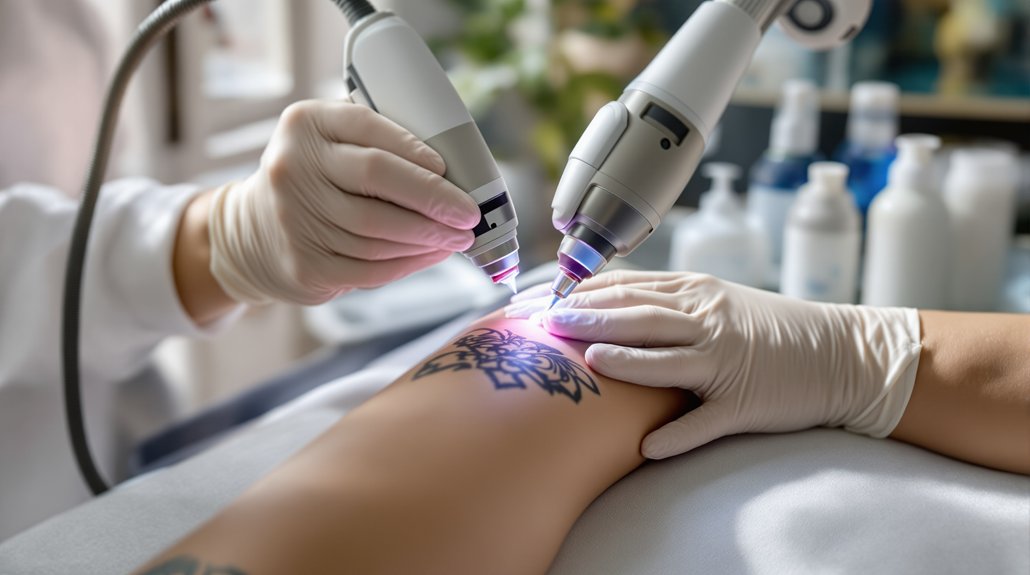
Looking for expert tattoo removal in California that won’t harm your skin? Discover dermatologists’ proven techniques.
Superficial radiation therapy (SRT) uses low-energy X-rays (50-150 kVp) that penetrate only 2-7mm into skin, precisely targeting cancer cells while sparing deeper tissues. We calibrate energy settings based on anatomical location—eyelids require 50-70 kVp, while trunk skin needs 90-120 kVp. This precision enables us to achieve 95-99% cure rates for basal and squamous cell carcinomas…. read more
With cryotherapy, chemical peels, and laser treatments as options, seborrheic keratosis removal no longer requires surgery—but which method works best?
In California, safe tattoo removal must be performed by licensed physicians, PAs, RNs, or nurse practitioners using FDA-approved Class II lasers. We conduct thorough consultations to create individualized treatment plans based on tattoo age, color, and location. Expect multiple sessions with proper pain management. Complications occur in about 5% of procedures, with blistering common. Financial… read more
Bad circulation can trigger painful skin inflammation in your legs, but effective treatments might surprise…
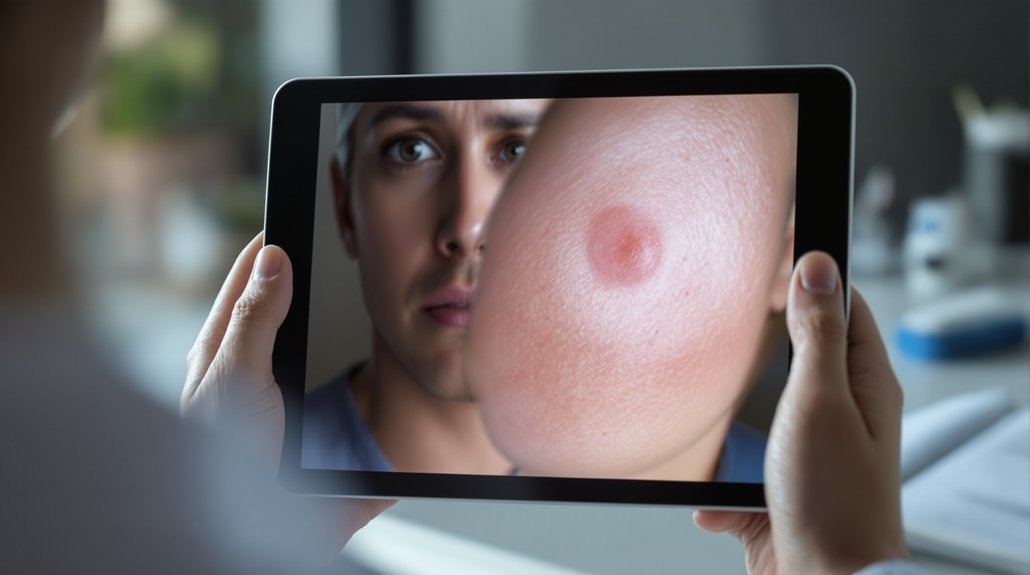
Yes, you can consult for skin cancer radiation therapy online. Virtual consultations allow for treatment planning, follow-up care, and symptom monitoring with comparable efficacy to in-person visits. Medicare covers telehealth radiation management through December 2024. However, not all cases are suitable—complex tumors, poorly defined margins, and aggressive cancers require in-person assessment. Appropriate patient selection and… read more
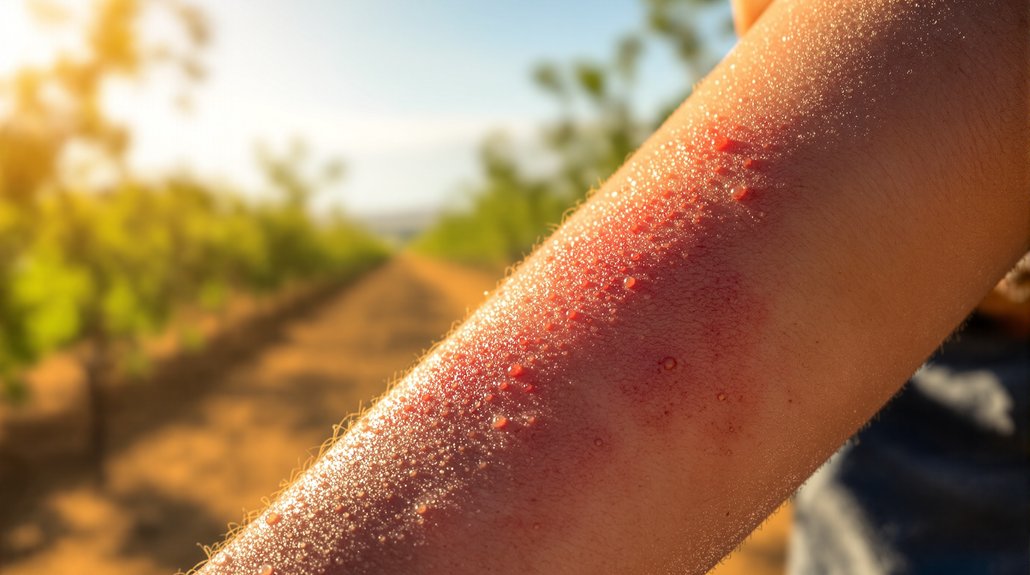
Lurking beneath Central California’s fertile farmlands are seasonal allergens that transform workers’ skin in ways researchers never anticipated.
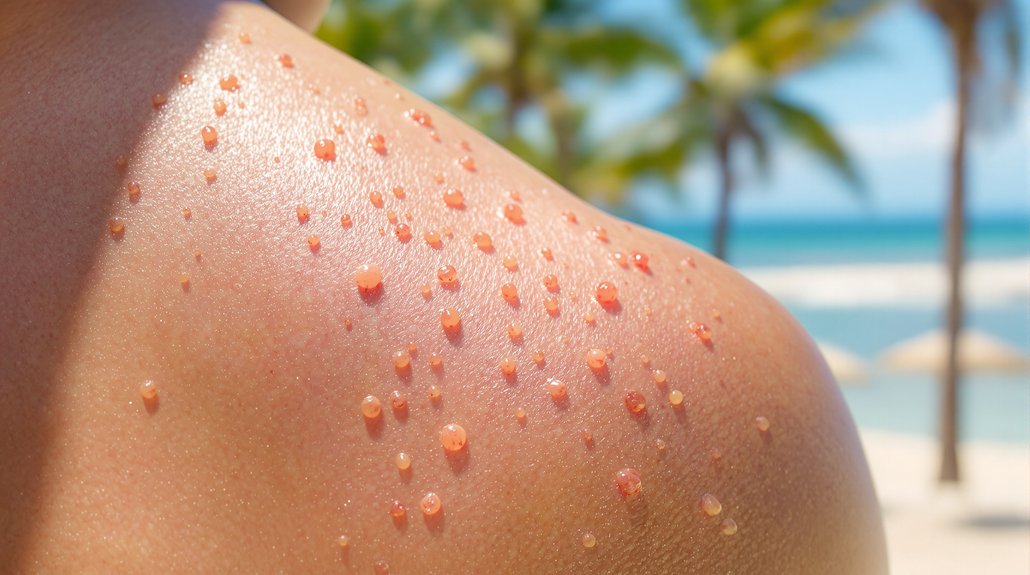
Despite New Mexico’s harsh desert winter, your skin can thrive with these specialized strategies that combat dryness and UV damage.
Innovative nutrition strategies dramatically improve skin surgery recovery, but most patients ignore this critical healing factor.
After skin cancer radiation treatment, your skin needs lifelong protection. Apply fragrance-free moisturizers daily, use SPF 50+ sunscreen year-round, and reapply every two hours when outdoors. Wear UPF 50+ clothing and conduct monthly self-examinations of treated areas. Watch for unusual lesions or shiny bumps requiring immediate medical attention. Radiation-treated skin remains permanently vulnerable to UV… read more
How diabetic skin plaques respond to innovative therapies revolutionizes treatment options for necrobiosis lipoidica patients worldwide.