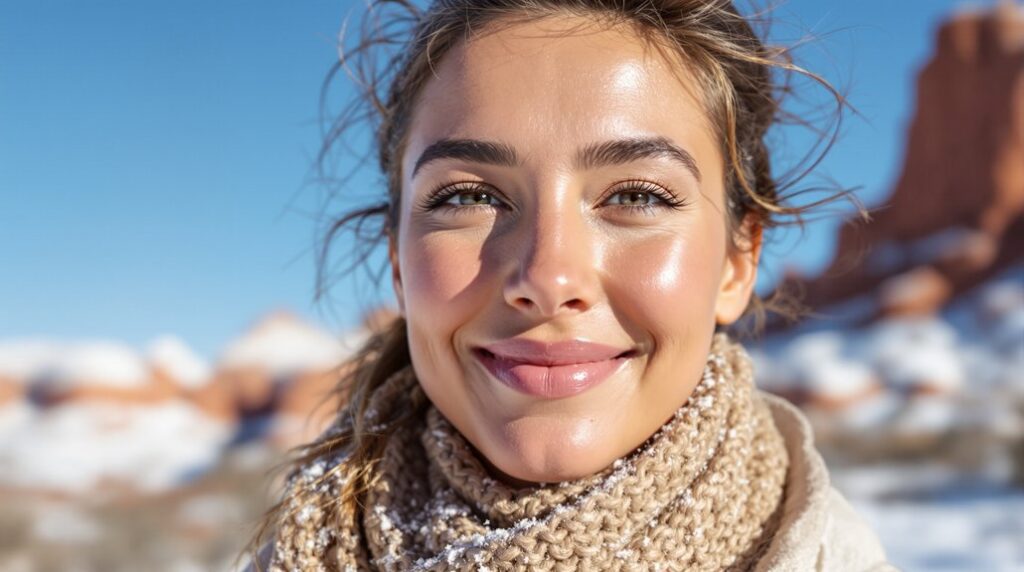
Parched high desert winters demand special skincare rituals—discover how to shield your skin while maintaining moisture in New Mexico’s unique climate.

Linking rosacea to gut health reveals a surprising connection most patients never consider—could your digestive system hold the key?

Gusty Santa Ana winds ravage Southern California skin, causing dehydration and accelerating aging—but protective measures exist.
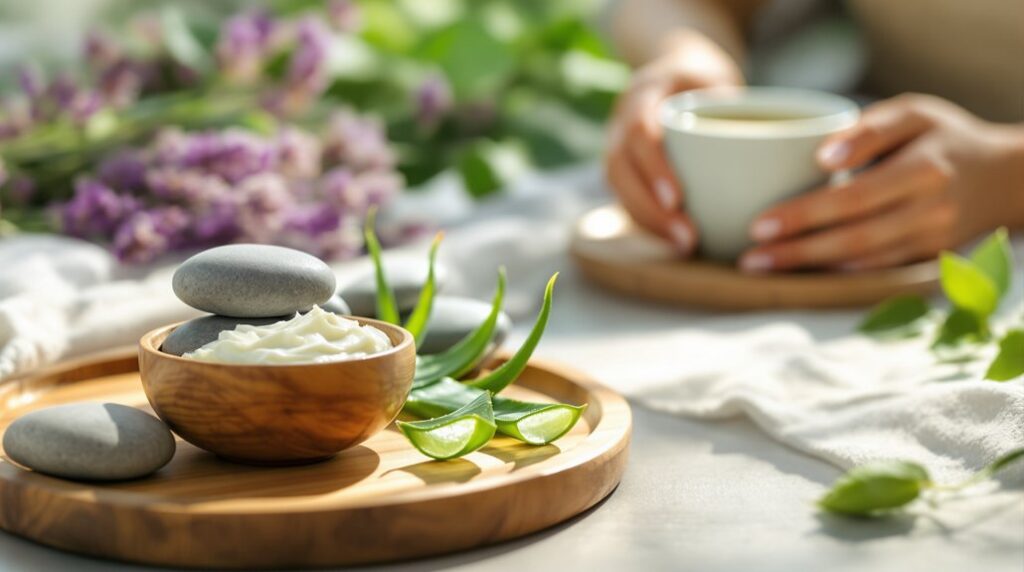
Discover natural strategies for Hidradenitis Suppurativa that combine nutrition, herbal remedies, and mind-body techniques for comprehensive relief.

Integrating SRT into your practice requires specific equipment (110-240V power, 30”x30” footprint), regulatory compliance with FDA standards, and dedicated staffing (2.0 FTE nurses, 1.0 FTE physician). We’ve found proper implementation yields impressive outcomes—98.9% cure rates for non-melanoma skin cancers at 24-85 months. Patient selection is essential, with ideal candidates having basal or squamous cell carcinomas…. read more

Taming perioral dermatitis in dry climates requires specific strategies that most sufferers overlook—discover why your current approach might be failing.

Research confirms that diet and lifestyle modifications greatly enhance non-surgical weight loss treatments. Combining structured nutrition plans with GLP-1 medications can yield 2-3 times greater weight reduction, while time-restricted eating naturally decreases daily caloric intake by approximately 425 calories. Mediterranean diets simultaneously support weight loss and improve heart health markers. We’ve found that addressing metabolic… read more

Curious about brachytherapy? Our experts answer the top 10 most common questions to help you better understand this internal radiation treatment option.

We can’t assume non surgical treatments are universally safe despite their popularity. Research reveals dermal fillers carry a 42% complication rate, while botulinum toxin shows 15% adverse events. Serious risks include vascular occlusion, tissue necrosis, nerve damage, and infections requiring antibiotic intervention. Safety standards vary dramatically between regions, with some operating under minimal oversight while… read more

Radiation therapy is often misunderstood when it comes to treating skin cancer. In this article, we separate fact from fiction by uncovering the truth behind seven common myths.

Can what you eat and how you live really impact the success of non-surgical treatments? Discover how dietary choices and lifestyle habits may improve treatment outcomes and support long-term recovery.
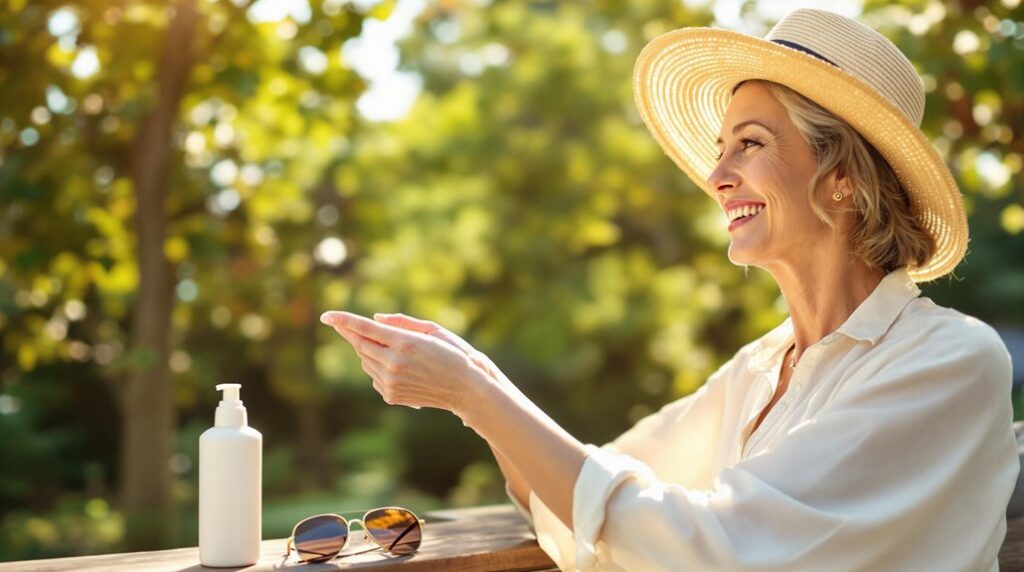
After radiation treatment, we recommend implementing thorough skin protection strategies since treated areas remain permanently vulnerable to damage. Apply broad-spectrum SPF 30+ sunscreen every two hours, avoid peak sun hours (10 AM-4 PM), and wear UPF-rated clothing for consistent coverage. Cleanse with lukewarm water and mild soap, moisturize with approved fragrance-free products, and monitor for… read more
