
Posted by: Skin And Cancer Institute in Uncategorized
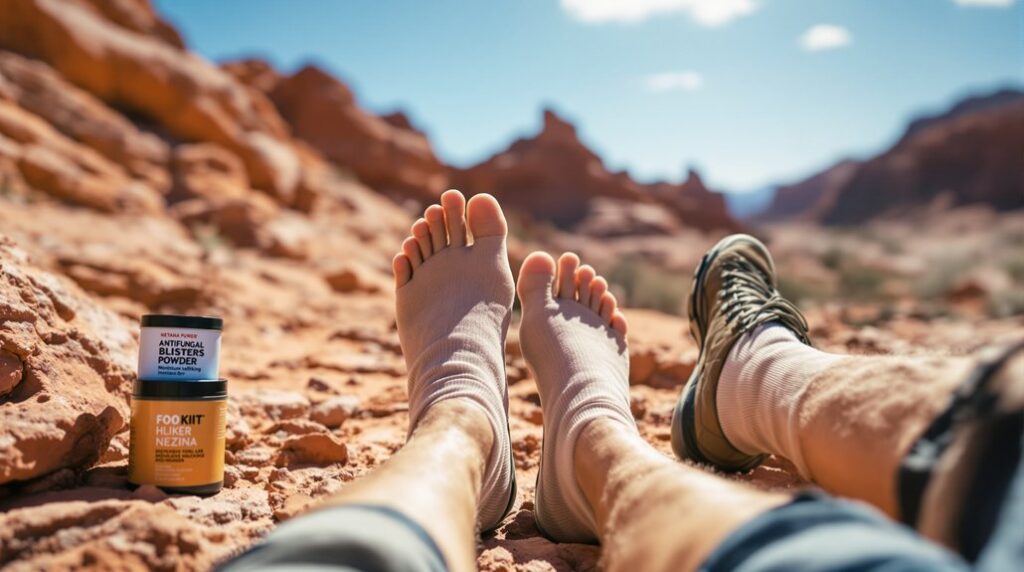
We’ll address Nevada’s desert hiking challenges through evidence-based prevention protocols targeting moisture management and dermatophyte proliferation. Critical interventions include selecting lightweight, non-waterproof footwear with engineered mesh uppers, implementing double sock systems using merino wool-nylon blends, and maintaining systematic foot inspections every 30-60 minutes to identify hot spots before blister formation. Desert conditions create 90% humidity in boots within twenty minutes, necessitating regular ventilation breaks and immediate moleskin application upon detecting erythema. Advanced thermal regulation and post-hike recovery techniques promote ideal pedal health outcomes.
Key Takeaways
- Choose lightweight, non-waterproof hiking boots with mesh uppers and merino wool socks to maximize breathability and moisture transport.
- Implement a double sock system with technical liner socks to prevent direct skin contact with moisture accumulation.
- Conduct foot inspections every 30-60 minutes to identify hot spots early and apply moleskin protection immediately.
- Allow 48 hours between hikes for complete footwear drying and alternate between two pairs of breathable boots.
- Schedule early morning starts and regular ventilation breaks to minimize heat exposure and reduce fungal growth conditions.
Understanding Nevada’s Unique Desert Hiking Challenges
While Nevada’s desert environment presents extraordinary beauty for outdoor enthusiasts, we’ve observed that its extreme conditions create specific dermatological challenges that hikers must understand to prevent serious foot complications. The state’s harsh climate—averaging less than six inches of annual precipitation—creates abrasive, desiccated trail surfaces that generate mechanical friction against skin. Temperature swings exceeding 30-40°F within 24 hours cause repeated expansion and contraction of both skin and footwear materials, compromising barrier integrity. Desert terrain features wind-blown particulates that infiltrate shoes, creating micro-abrasions. Unlike wildlife adaptations that protect native species, human feet lack natural defenses against Nevada’s extreme aridity and temperature fluctuations. These environmental stressors predispose hikers to blister formation and fungal infections without proper preventive measures. Nevada’s groundwater levels continue declining rapidly, reducing natural water sources available for emergency foot care and cleaning during extended backcountry excursions.
Choosing and Breaking In Proper Footwear for Desert Conditions
Although Nevada’s desert terrain demands specialized footwear selection, we’ve documented that improper boot choices represent the primary etiology of preventable foot pathology in desert hikers. We recommend lightweight hiking boots with engineered mesh uppers and Vibram outsoles for ideal heat dissipation while maintaining structural integrity. Footwear materials should prioritize non-waterproof synthetics over leather to prevent moisture retention and thermal injury. Critical specifications include puncture-resistant uppers, heat-resistant midsoles, and integrated debris collars for sand exclusion.
Our break in techniques require a mandatory 50-100 mile protocol before deployment. We’ve established that gradual wear increases, starting with 1-2 hour daily sessions under loaded conditions, effectively identify pressure points. This systematic approach prevents blister formation and guarantees ideal fit for your desert adventures. Technical socks made from moisture-wicking synthetics provide an additional barrier against friction and bacterial growth in high-temperature environments.
Advanced Sock Systems for Moisture Management in Arid Climates
Since moisture accumulation represents the primary pathophysiological mechanism underlying blister formation and fungal infections in desert environments, we’ve developed evidence-based sock system protocols that dramatically reduce these dermatological complications. Our recommended sock material innovations center on merino wool-nylon-Lycra blends, which create ideal hydrophobic yarn configurations for moisture management techniques in Nevada’s extreme conditions.
We implement double sock systems featuring technical liner socks beneath performance wicking layers. This strategic approach prevents direct skin contact with accumulated moisture while maintaining seamless construction that eliminates friction-induced pressure points. Targeted cushioning zones and mesh ventilation panels enhance airflow without compromising protection. Advanced sock designs incorporate seamless toe closures that further reduce friction hotspots during extended hiking activities.
Proper material selection—lightweight merino constructions for summer conditions, midweight options for variable temperatures—ensures consistent moisture transfer throughout extended desert hiking expeditions.
Essential Foot Care Techniques During Desert Hikes
Because desert environments present unique thermal and abrasive challenges that standard foot care protocols don’t address, we’ve developed specialized techniques that target the specific pathophysiological stressors affecting hikers in arid climates.
Our blister prevention methodology centers on thermal regulation through strategic timing and cooling interventions. We schedule hiking during cooler morning hours, utilize umbrellas for immediate foot shade, and cool feet in available water sources to reduce thermal stress.
Sand management forms our second pillar of foot hygiene. We remove footwear during rest stops for complete sand evacuation, regularly shake debris from socks, and use bandanas to eliminate residual particulates that cause abrasive irritation. Properly fitted trail shoes with adequate toe room prevent additional pressure points that compound desert-specific foot stresses.
Our nighttime recovery protocols include applying water-repellant creams before dry sleeping socks and allowing feet to air-dry before moisturizing for peak absorption.
Recognizing and Responding to Hot Spots Before Blisters Form
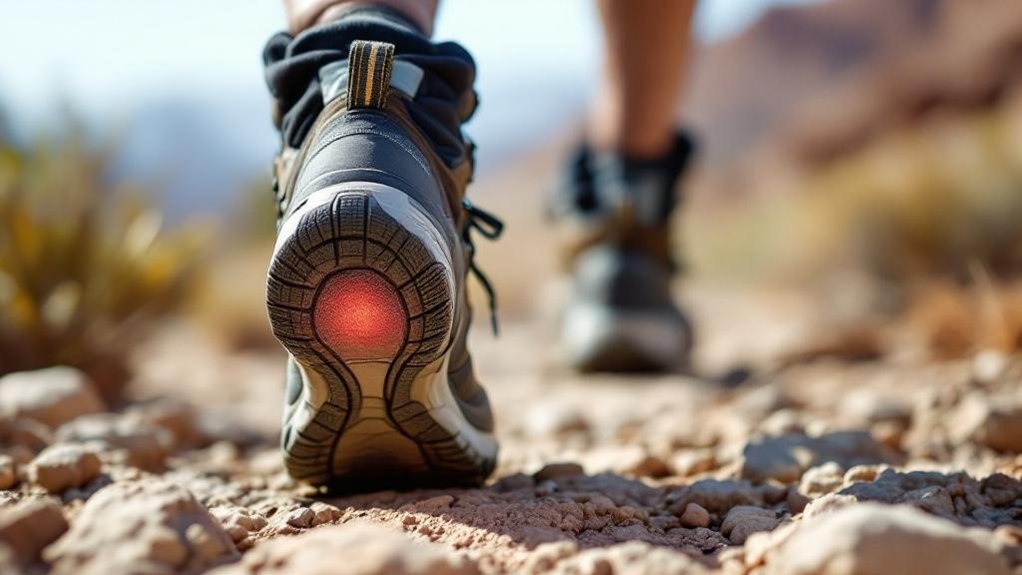
We must recognize hot spots as localized areas of redness, tenderness, and heat sensation that represent the critical warning phase before blister formation occurs. These early indicators present as small reddish patches with accompanying soreness or stinging, particularly during Nevada’s challenging desert conditions where sand infiltration and intense heat can mask developing friction points. Our immediate response protocol requires complete activity cessation upon detection, as this narrow intervention window represents our primary opportunity to prevent progression to painful, infection-prone blisters. During treatment, we should remove boots and socks, thoroughly dry our feet, and apply moleskin coverage directly over the affected area to create a protective barrier against continued friction.
Early Warning Signs
How can hikers distinguish between normal foot fatigue and the critical warning signs that precede blister formation? We must develop acute hot spot awareness to recognize the pre-blister state when skin begins fatiguing. The primary indicators include localized warmth sensations, reddish discoloration, and tender areas where friction occurs. These warning signs typically manifest at pressure points—heels, toes, and ball of foot—corresponding with footwear seams and contact areas.
Effective blister prevention requires systematic foot inspections every 30-60 minutes during our Nevada hiking adventures. We shouldn’t dismiss subtle discomfort as normal fatigue; research demonstrates most blisters develop on day two when we’re most vulnerable. The critical intervention window closes rapidly once stinging begins, making early recognition essential for successful prevention strategies. When any irritation is detected, hikers should immediately stop and check for debris in footwear or other sources of friction before continuing.
Immediate Response Actions
Detecting hot spots demands immediate cessation of hiking activity—the critical intervention window closes rapidly once thermal sensations begin. We must prioritize hot spot recognition over trail momentum, as continuing past initial thermal warnings virtually guarantees blister formation. Upon detecting stingy or scratchy sensations, we’ll remove footwear and socks immediately, allowing thorough drying of affected areas before intervention.
Our friction reduction protocol involves applying circular moleskin pieces directly over hot spots, creating protective barriers against continued irritation. We’ll utilize porous tapes like Leukotape, ensuring corners are rounded to prevent premature peeling. For severely painful areas, we’ll position cushioning gauze beneath tape applications. We should also apply lubricating products like Vaseline to reduce chafing around treated areas. After treatment, we’ll re-lace footwear to optimize pressure distribution and prevent recurrence during continued hiking activities.
Heat Management Strategies for Extended Desert Treks
When we’re hiking in desert environments where ambient temperatures exceed normal body temperature, our feet become particularly susceptible to heat-related pathology including increased blister formation and fungal proliferation. We must implement systematic heat dissipation protocols through regular footwear ventilation breaks during daylight hours, allowing pedal temperature regulation and moisture evaporation. Additionally, we’ll establish nighttime boot airing procedures that prevent residual heat and humidity accumulation, which creates ideal conditions for dermatophyte growth and tissue maceration. Desert hikers should plan early starts at 1:00 or 2:00 am to minimize foot exposure to the most dangerous heat periods of the day.
Regular Footwear Ventilation Breaks
Why do experienced desert hikers implement systematic footwear ventilation protocols during extended backcountry expeditions? We’ve documented that ventilation frequency directly correlates with daily mileage accumulation during 17-24 mile treks. Our break duration varies strategically—morning breaks prevent moisture retention before peak heat, while midday protocols prioritize cooling during maximum temperature periods. We schedule sock removal for direct sunlight drying during breaks exceeding 10 minutes, simultaneously achieving foot ventilation. Complete footwear emptying eliminates abrasive sand particles that increase blister formation risk. We remove stock insoles as temperatures rise, accommodating foot swelling and expanding interior volume. Break timing adjusts based on terrain sand concentration and vegetation density. This systematic approach proved successful during our documented 9-day Arizona Trail expedition, preventing dermatological complications. Desert hikers should carry at least one gallon of water per person per day to maintain proper hydration levels that support healthy foot circulation during ventilation breaks.
Heat Dissipation Techniques
Although desert hiking presents extreme thermal challenges, we’ve identified specific heat dissipation protocols that prevent dermatological complications during extended backcountry expeditions. Strategic cooling vest deployment and polymer crystal cooling devices reduce core temperature elevation that contributes to excessive perspiration and subsequent fungal proliferation. We recommend implementing half-hour movement intervals followed by mandatory cooling periods to prevent heat accumulation in extremities.
Effective heat acclimatization strategies include pre-dawn departure times and shade-to-shade route planning to minimize thermal exposure. Critical hydration timing techniques require one liter hourly consumption paired with electrolyte supplementation to maintain ideal cooling efficiency. Evaporative cooling applications—including pulse point water application and wet bandana protocols—provide immediate thermal relief while preserving foot integrity during challenging desert conditions. During peak sun hours from 10am to 4pm, utilize shaded areas for mandatory rest periods to prevent excessive heat buildup that compromises foot health.
Nighttime Boot Airing
Every desert hiker we’ve treated understands that nighttime boot airing represents a critical intervention for preventing moisture-related dermatological complications during extended backcountry expeditions. We’ve observed that strategic elevation positioning optimizes airflow circulation throughout boot interiors while promoting gravity-assisted drainage. Our clinical experience demonstrates that unobstructed ventilation paths maximize drying efficiency when footwear’s positioned near natural airflow sources. We recommend rotating boots to guarantee equal exposure to circulating air, preventing cross-contamination between multiple pairs. Nighttime temperature differentials notably enhance moisture evaporation rates in desert environments. Visual and tactile assessments confirm complete interior dryness before reuse. Extended airing periods prove essential for water-resistant materials, while environmental humidity levels directly impact necessary drying timelines. Proper nighttime boot airing protocols effectively reduce fungal infection transmission risks. This non-invasive treatment approach requires no special equipment and can be implemented consistently throughout any hiking expedition.
Sand Protection and Equipment Considerations
When hiking through sandy desert environments, proper footwear selection becomes critical for preventing sand-induced dermatological complications including friction blisters, contact dermatitis, and secondary bacterial infections. We recommend sand resistant footwear featuring high-top designs with gusseted tongues and minimal mesh construction to block fine particle infiltration. Trail runners with Gore-Tex membranes provide superior protection despite reduced breathability in Nevada’s extreme heat.
For enhanced protection, we advocate gaiter systems paired with mid-height boots, particularly in abrasive environments like Valley of Fire where exposed skin develops painful lesions rapidly. Avoid sandals and zipper closures, as sand accumulation creates additional friction points leading to dermatological breakdown. Multi-directional lugs and protective toe caps prevent trauma-induced wounds that predispose hikers to secondary fungal and bacterial infections in compromised tissue. Additionally, covering shoe tops with lightweight trousers creates an effective barrier against sand entry at the ankle interface.
Emergency Blister Treatment on the Trail
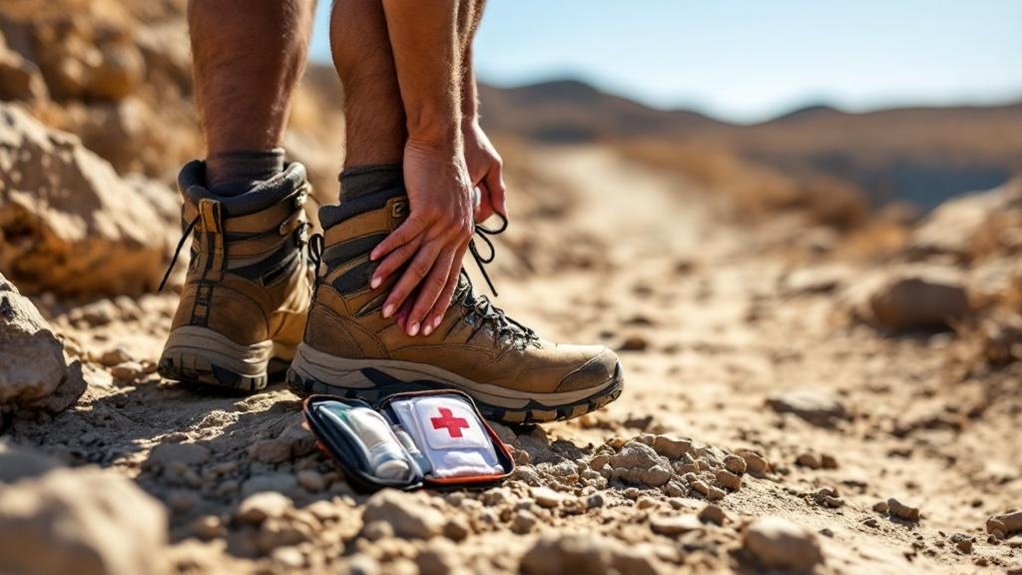
Despite implementing thorough sand protection strategies, blisters can still develop during extended desert hiking when friction overwhelms protective measures. We must immediately halt progression by stopping movement and inspecting affected areas after removing damp footwear. Emergency foot care begins with sterilizing needles using flame or alcohol before creating multiple drainage points at the blister’s base. We’ll thread sterilized floss through pierced areas as drainage wicks while preserving the protective roof tissue. Applying antibiotic ointment followed by hydrocolloid dressings creates ideal healing conditions. We cut moleskin into doughnut shapes for pressure redistribution, securing with athletic tape. These blister prevention techniques require hourly monitoring during continued hiking, with immediate dressing replacement if adhesive loosens from desert heat exposure. Once properly treated, we should leave tape in place if the hot spot doesn’t worsen until reaching our destination.
Preventing Fungal Infections in Hot, Dry Environments
Although desert environments appear inhospitable to fungal pathogens, we’ll encounter considerable moisture accumulation within our footwear that creates ideal conditions for dermatophyte proliferation. Despite Nevada’s arid conditions, our hiking boots trap perspiration at humidity levels exceeding 90%, triggering fungal growth within twenty minutes of moisture exposure.
We must implement evidence-based prevention protocols including antifungal powders containing clotrimazole applied between toes, which inhibit pathogen development for twelve to twenty-four hours. Moisture-wicking merino wool socks transport perspiration away from skin three times faster than cotton alternatives, considerably reducing moisture retention. We should wash feet daily with soap and water after each hiking session to remove accumulated bacteria and fungal spores from desert terrain exposure. Alternating between two pairs of breathable footwear allows forty-eight hours for complete drying, eliminating residual humidity that sustains fungal spores and protects our foot health during extended desert treks.
Post-Hike Recovery and Foot Maintenance Protocols
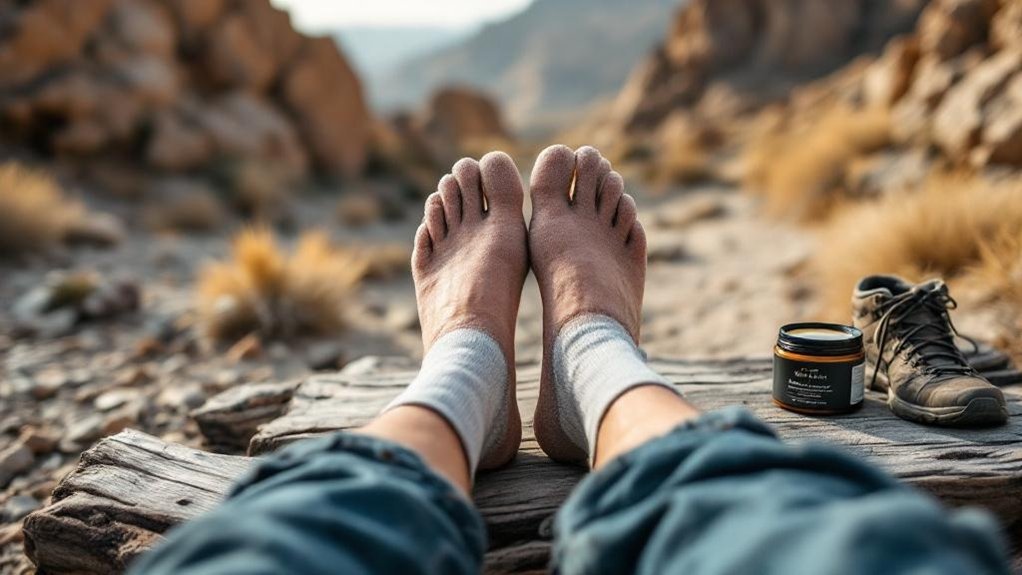
Five critical procedures must be executed within thirty minutes of completing our hike to prevent secondary complications and maximize recovery. We’ll conduct a thorough post hike evaluation, examining feet for hot spots, blisters, or abrasions that require immediate intervention. Our cleaning protocol involves washing feet with soap, completely drying interdigital spaces, and removing debris from socks and footwear interiors.
Elevation therapy follows—we’ll position feet above heart level for fifteen minutes while implementing hydration strategies to support peak circulatory function. Apply antiseptic solution to compromised skin areas before securing hydrocolloid dressings. We’ll utilize Epsom salt soaks to reduce inflammation and perform targeted calf stretches within this critical window. Finally, we’ll guarantee proper gear ventilation by removing insoles and expanding laces for overnight air-drying.
Consider implementing vinegar soaks as an additional treatment option to eliminate persistent odors from shoes, socks, and insoles that standard cleaning may not address.
Frequently Asked Questions
Can I Hike With a Pre-Existing Blister or Should I Wait?
We’d recommend postponing if you’ve got broken blisters or infection signs. However, intact small blisters with proper blister care and protective barriers can indicate hiking readiness for short-duration activities.
How Do I Prevent Blisters When Hiking in Wet Desert Conditions?
We recommend moisture-wicking sock liners and properly fitted footwear for effective blister prevention. In wet conditions, change socks immediately after water exposure, apply preventative medical tape to friction-prone areas, and guarantee adequate foot ventilation.
What’s the Difference Between Heat Rash and Early Fungal Infection Signs?
We differentiate heat rash symptoms (clear fluid-filled bumps with prickling sensations) from fungal infection indicators (circular scaly patches with defined red borders). Heat rash resolves quickly while fungal infections progressively spread outward.
Should I See a Dermatologist for Recurring Hiking-Related Foot Problems?
Yes, we recommend dermatological evaluation for recurring hiking foot problems. Persistent skin conditions despite proper foot care may indicate underlying inflammatory diseases requiring specialized diagnosis and targeted treatment protocols beyond standard hiking-related interventions.
Can Certain Medications Make My Feet More Prone to Desert Blisters?
Yes, we’ve documented how medication effects notably impact blister susceptibility. Diuretics, antidepressants, and corticosteroids alter perspiration patterns and skin integrity. We’ll assess your medications during thorough foot care evaluation for hiking-related dermatological concerns.
Conclusion
We’ve outlined evidence-based protocols for preventing pedal dermatological complications during Nevada’s desert hiking conditions. By implementing proper footwear selection, moisture-wicking sock systems, and proactive hot spot identification, you’ll considerably reduce your risk of developing painful blisters and opportunistic fungal infections. Remember, early intervention remains critical—don’t ignore prodromal symptoms. If you develop persistent lesions, erythema, or signs of secondary bacterial infection despite preventive measures, we recommend prompt dermatological evaluation for appropriate treatment.