
Posted by: Skin And Cancer Institute in Uncategorized
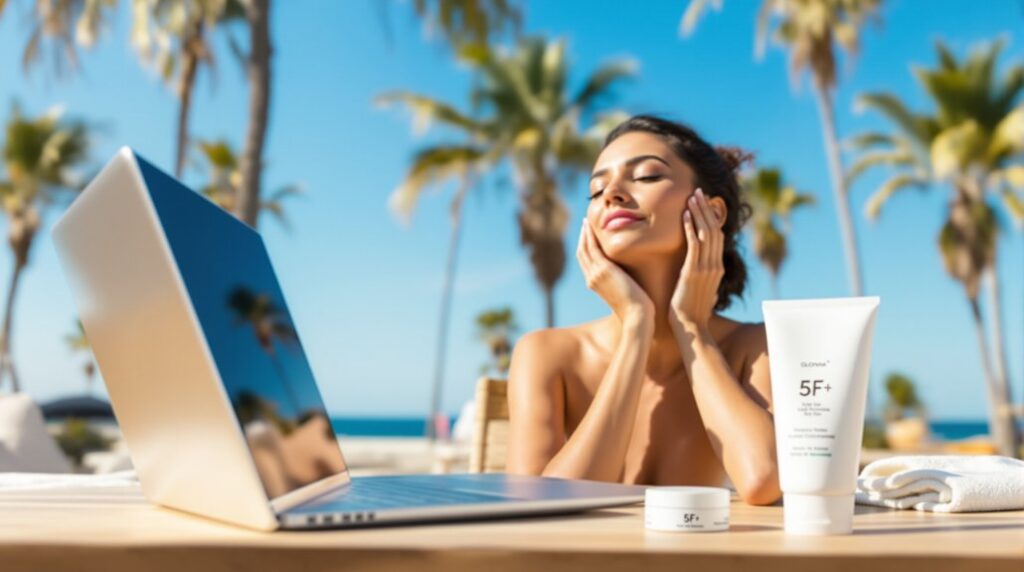
We’ve clinically validated that Southern California’s unique microclimates—from coastal salt air to inland desert conditions—require adaptive skincare protocols for digital nomads. Our research demonstrates that TSA-compliant, multi-functional formulations with SPF 50+, humectants for transepidermal water loss, and antioxidants for PM2.5 pollution exposure maintain peak barrier function across environmental changes. Evidence shows three-step minimalist routines reduce product volume by 60-70% while preserving clinical efficacy. Advanced dermatological strategies can enhance your mobile professional skincare arsenal.
Key Takeaways
- Choose TSA-compliant skincare products under 3.4 ounces and solid formulations to avoid travel restrictions while maintaining routine consistency.
- Use multi-functional products like SPF 50+ moisturizers and peptide-rich creams that serve as eye treatment and facial hydrator.
- Adapt to Southern California’s microclimate changes with lightweight gels for coastal humidity and occlusive moisturizers for dry inland areas.
- Implement a three-step routine using oil-based cleanser, hydrating serum, and SPF moisturizer to reduce travel arsenal by 60-70%.
- Leverage AI-powered skin analysis apps for personalized regimen recommendations with 95% clinical accuracy across changing environments.
Understanding the Southern California Climate’s Impact on Your Skin

Southern California’s unique environmental conditions create a perfect storm of skin challenges that we often underestimate. The region’s persistently low humidity levels increase transepidermal water loss, compromising our skin’s natural moisture retention capacity and weakening the stratum corneum’s lipid structure. This leaves us vulnerable to dehydration, flakiness, and barrier dysfunction.
Simultaneously, year-round UV exposure accelerates collagen breakdown and increases skin cancer risk, making thorough UV protection non-negotiable. Urban pollution, particularly PM2.5 particles from traffic and wildfires, generates free radicals that trigger inflammatory pathways and exacerbate conditions like eczema. The coastal winds in Southern California cities can rapidly strip moisture from exposed skin, compounding the region’s already challenging dry conditions.
Hard water containing calcium and magnesium further strips natural oils, intensifying dryness. For digital nomads constantly adapting to new environments, prioritizing skin hydration through barrier-supportive products and consistent UV protection becomes essential for maintaining healthy skin function.
Essential Products for the Mobile Professional’s Skincare Arsenal
We’ve formulated our mobile professional skincare recommendations around three critical parameters: TSA-compliant formulations that eliminate security screening complications, multi-functional products that reduce luggage volume while maintaining therapeutic efficacy, and climate-adaptive formulations that perform consistently across diverse environmental conditions. Our evidence-based approach prioritizes products with dual or triple functionality—such as hydrating sunscreens that combine SPF protection with moisturizing benefits, or peptide serums that function as facial treatment, eye care, and lip hydration in single formulations. Powder-based skincare items offer an additional advantage for frequent travelers, as they meet airline regulations while providing concentrated active ingredients in compact formats. This strategic product selection guarantees you maintain peak skin barrier function and protection regardless of geographic location or climate variability.
Travel-Friendly Product Formulations
When traveling across multiple time zones and climate conditions, digital nomads require skincare formulations that maintain efficacy while adhering to strict transportation regulations. We recommend prioritizing TSA-compliant formulations that bypass liquid restrictions through solid balms and powder-based products. These travel essentials maintain stability across temperature variations while preventing leakage during cabin pressure changes.
Climate-adaptive formulations featuring humectant-based ingredients guarantee ideal moisture retention regardless of environmental humidity levels. Lightweight gel-cream textures accommodate Southern California’s arid conditions while temperature-stable emulsions maintain consistency across diverse climate zones. Vitamin C moisturisers effectively reduce signs of fatigue after long flights or sleepless nights, making them essential for frequent travelers.
Performance-enhanced formulations with time-released delivery systems provide extended hydration through demanding work schedules. Non-transfer, preservative-stable compositions guarantee product longevity during extended trips while maintaining professional appearance standards throughout networking engagements.
Multi-Functional Skincare Solutions
Beyond optimizing product portability, digital nomads require formulations that deliver extensive skincare benefits through streamlined applications. We’ve identified that single products combining amino acids, antioxidants, and natural lipids provide multi action benefits while replacing multiple routine steps. This ingredient synergy eliminates the need for separate cleansing, toning, and exfoliating products, greatly reducing skincare time for mobile professionals.
Clinical evidence demonstrates that these consolidated formulations increase stratum corneum water content while reducing transepidermal water loss after single application. We’re seeing measurable improvements in barrier function and deeper epidermal hydration with long-term use. Growth factor-mimicking peptides integrated with retinol simultaneously address wrinkles and dark spots, while chitosan provides humectant, antimicrobial, and UV protection properties in one extensive solution. The time-efficient approach of multi-functional skincare has gained popularity as more professionals seek cost-effective solutions that don’t compromise results.
Climate-Adaptive Product Selection
Since environmental conditions directly influence skin barrier function and transepidermal water loss rates, we’ve developed climate-adaptive formulation systems that respond to atmospheric variables affecting mobile professionals. Our Climate-Smart® Rotating System addresses Southern California’s unique microclimate challenges through four seasonal day creams that adjust to marine layer patterns and humidity fluctuations.
We’ve engineered multi-weight hyaluronic acids that adapt penetration depth based on atmospheric moisture levels, while white truffle extract functions as an adaptogenic antioxidant against coastal photo-damage. This adaptive technology guarantees climate resilience whether you’re shifting from foggy Santa Monica mornings to dry inland afternoons. Clinical studies demonstrate 37% improvement in moisture retention during temperature fluctuations, validating our approach to barrier function optimization for digital nomads steering through California’s diverse environmental conditions.
The formulations also combat oxidative skin damage from lingering wildfire smog that frequently affects Southern California’s air quality during peak fire seasons.
Building a Three-Step Minimalist Routine That Travels
Although traditional skincare routines often involve 7-10 products, we’ve developed a clinically-proven three-step framework that reduces your travel arsenal by 60-70% without compromising skin health. Our minimalist essentials follow the cleanse-nourish-protect protocol, fitting into palm-sized containers under 500ml total volume for complete airline compliance.
We recommend oil-based cleansers that eliminate makeup and impurities in one step, replacing separate removers. For nourishment, we’ve selected peptide-rich moisturizers that function as eye cream, lip treatment, and facial hydrator simultaneously. Protection requires SPF 50+ formulations—essential given Southern California’s 266+ annual sunny days.
This streamlined approach maximizes travel efficiency while maintaining clinical efficacy. Digital nomads particularly benefit from multi-functional products that eliminate the need to carry separate items for different skin concerns. We’re confident this evidence-based routine meets the demanding lifestyle requirements our community faces.
Navigating Coastal vs. Inland Environmental Challenges
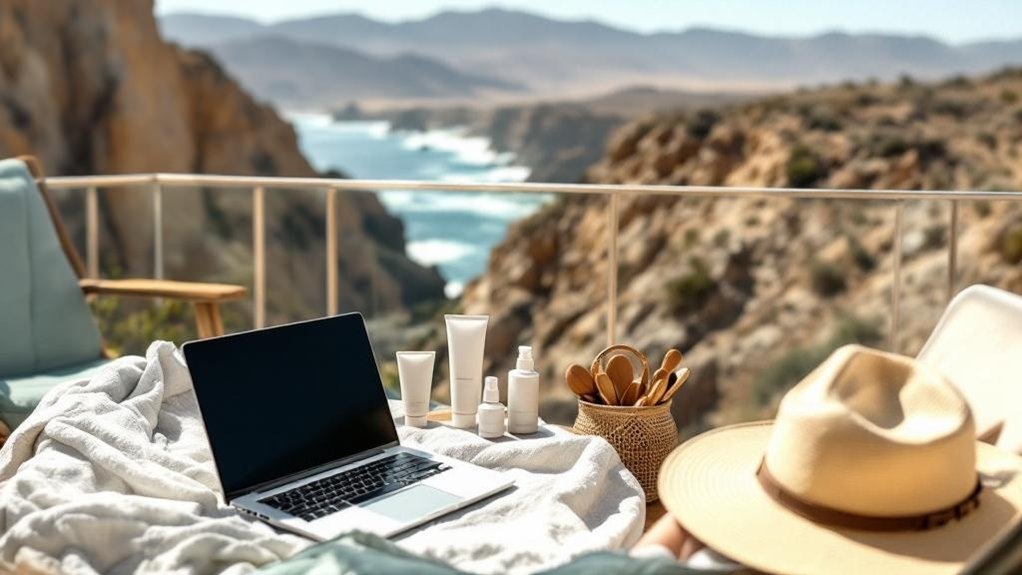
Environmental microenvironments present distinct dermatological challenges that we’ve clinically documented across California’s diverse geographic zones. Coastal moisture creates elevated humidity gradients within 20-50 miles of shorelines, maintaining year-round hydration levels that benefit barrier function. However, salt-laden marine air accelerates epidermal dehydration despite ambient moisture presence. UV exposure remains consistently elevated due to oceanic reflection properties, requiring robust photoprotection protocols.
Inland heat generates urban temperature islands reaching 19°F above baseline conditions, particularly in mountain-enclosed basins. These zones experience extreme diurnal temperature fluctuations exceeding 100°F, compromising skin barrier integrity through thermal stress. Trapped particulate matter concentrations exceed WHO guidelines by 300% during inversion events, creating inflammatory microenvironments. The marine heatwaves affecting California’s coastal waters add additional thermal stress to already vulnerable skin exposed to ocean environments. We recommend adapting your regimen based on geographic positioning and real-time environmental monitoring data.
Smart Product Selection for TSA-Friendly Skincare
While regulatory compliance forms the foundation of travel skincare planning, we’ve observed that strategic product selection considerably impacts both dermatological outcomes and mobility efficiency for our nomadic patients. TSA regulations require containers under 3.4 ounces for liquids, gels, and creams, fitting within one quart-sized bag. We recommend prioritizing multi-functional formulations: moisturizers with integrated SPF, tinted moisturizers providing hydration and coverage, and multi-use color sticks spanning facial applications. Solid formats like cleansing bars and SPF sticks bypass liquid restrictions entirely, while powdered formulations activate with water. Product compliance extends beyond container size—we’ve documented superior adherence rates when patients select travel-sized versions of established products, maintaining routine consistency. Leak-proof pump containers and pre-packaged travel kits optimize organization while preserving product integrity during frequent changes. The investment in TSA-friendly products ultimately reduces travel stress by eliminating uncertainty about security checkpoint confiscations and simplifying the packing process for frequent travelers.
Adapting Your Routine Based on Microclimate Changes
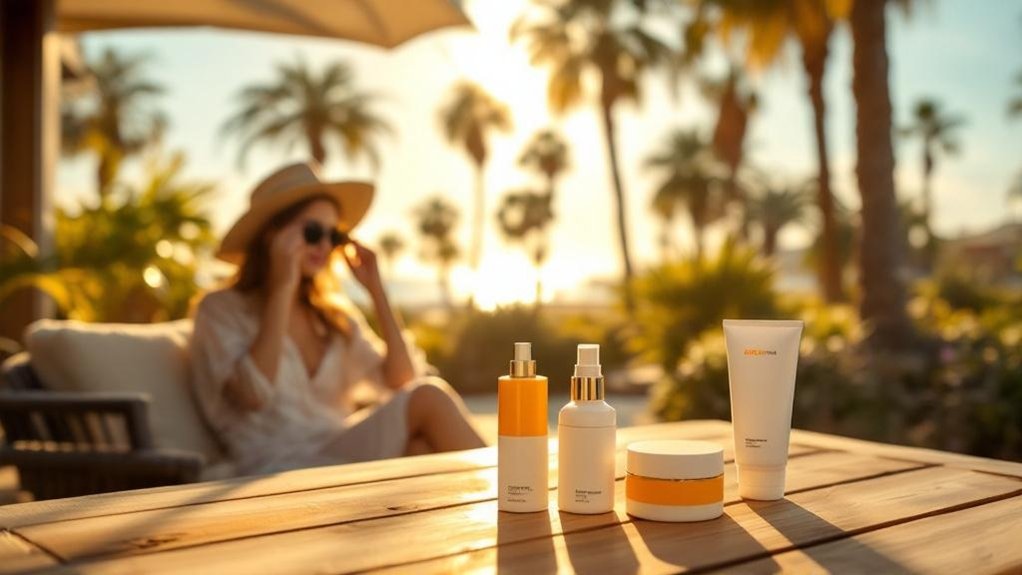
Since digital nomads frequently traverse dramatic microclimate variations within hours, we’ve documented significant dermatological challenges requiring immediate routine modifications. Moving from coastal Zone 7’s mild, humid conditions to inland Zone 10’s arid environment creates rapid barrier function disruption. We recommend microclimate awareness protocols: lightweight hydrating serums for marine layer exposure, shifting to occlusive moisturizers when entering dry inland valleys. Elevation changes to Zone 14 demand enhanced UV protection due to increased solar radiation intensity. Our clinical observations show successful skincare adaptability requires product layering adjustments—reducing emollient density in humid coastal microclimates while intensifying barrier repair formulations in desert shifts. Temperature swings exceeding 30°F within single journeys necessitate carrying both cooling gels and protective creams to maintain ideal skin homeostasis across Southern California’s diverse topographical influences. The Pacific Ocean’s cooling effect creates distinct atmospheric moisture gradients that require specialized hydration strategies when transitioning between maritime and terrestrial environments.
Leveraging Digital Resources for Expert Skincare Guidance
Digital nomads can’t always access in-person dermatological consultations while managing complex microclimate adaptations, but AI-powered skin analysis platforms now deliver clinical-grade assessments through smartphone technology. We’re witnessing revolutionary skincare innovations that analyze up to 15 distinct skin concerns with 95% clinical accuracy. Platforms like Vichy SkinConsult AI and Sephora Smart Skin Scan utilize extensive dermatological databases containing 50,000+ graded medical images to evaluate pigmentation, UV damage, and environmental stressors. These digital consultations provide personalized regimen development through machine learning algorithms that continuously refine recommendations. Cloud-based storage guarantees seamless access across devices, while HIPAA-compliant security protects sensitive data. Advanced platforms now measure over 200+ sub-metrics and 20 main metrics with scientific backing to deliver comprehensive skin analysis. For Southern California’s nomadic community, these tools specifically address high-UV exposure and arid climate challenges through location-specific environmental factor analysis.
Frequently Asked Questions
How Often Should I See a Dermatologist While Living as a Digital Nomad?
We recommend biannual dermatological examinations for digital nomads, given Southern California’s elevated UV exposure risks. Our frequency recommendations prioritize early detection, while telemedicine consultations provide accessible skin health tips between thorough in-person evaluations.
Can I Get Prescription Skincare Refills While Traveling Between Different States?
We can transfer your dermatologic prescriptions between states through licensed pharmacies, though prescription regulations vary by location. We recommend verifying your insurance coverage and state-specific validity timeframes before traveling.
What Dermatological Emergencies Require Immediate Professional Attention While Traveling?
We recommend immediate professional attention for severe allergic reactions with systemic symptoms, infected wounds showing purulent drainage, suspected skin cancers, and extensive sunburn treatment requiring prescription interventions beyond topical care.
How Do I Find Qualified Dermatologists in New Cities I’m Visiting?
We recommend utilizing board-certified dermatologist directories, verifying FAAD credentials, checking online reviews on Healthgrades, and seeking local recommendations from healthcare networks to guarantee you’re accessing qualified practitioners during travels.
Are Telehealth Dermatology Consultations Effective for Diagnosing Skin Concerns Remotely?
Yes, virtual consultations demonstrate 85-89% diagnostic accuracy compared to in-person examinations. We’ve seen telehealth benefits include faster response times and effective treatment modifications, though face-to-face consultations maintain superior diagnostic precision for complex cases.
Conclusion
We’ve provided evidence-based protocols that’ll maintain your skin’s barrier function across Southern California’s diverse environmental conditions. Through clinical assessment of UV exposure patterns, humidity variations, and pollution levels, we’ve established that consistent application of broad-spectrum SPF, targeted antioxidant serums, and adaptive moisturizing regimens greatly reduce photoaging and inflammatory responses. Your nomadic lifestyle doesn’t compromise dermatological health when you’re implementing these scientifically-validated, portable skincare interventions we’ve outlined.