
Posted by: Skin And Cancer Institute in Medical Dermatology
We recognize that treating tinea versicolor in humid microclimates requires addressing both the Malassezia yeast overgrowth and environmental triggers that promote recurrence. Ketoconazole 2% shampoo achieves 80% mycologic cure rates with five-minute applications, while selenium sulfide 2.25-2.5% offers 75-85% clearance with daily ten-minute treatments. You’ll need moisture-wicking fabrics, indoor humidity control below 60%, and bi-weekly medicated maintenance washes to prevent seasonal flare-ups. Our extensive approach targets both immediate treatment and long-term environmental management strategies.
Key Takeaways
- Use ketoconazole 2% shampoo for 5 minutes or selenium sulfide 2.5% for 10 minutes daily to achieve high cure rates.
- Wear moisture-wicking polyester fabrics and loose-fitting clothing while avoiding cotton that retains humidity against skin.
- Maintain indoor humidity below 60% using air conditioning and exhaust fans to prevent Malassezia yeast proliferation.
- Apply zinc pyrithione soap or selenium sulfide shampoo bi-weekly as maintenance therapy to prevent seasonal recurrences.
- Shower immediately after sweating and dry skin thoroughly, as humidity above 60% promotes pathogenic yeast transformation.
Understanding How Heat and Humidity Fuel Malassezia Yeast Overgrowth
While Malassezia yeast naturally inhabits human skin as a commensal organism, specific environmental conditions trigger its metamorphosis from harmless colonizer to pathogenic agent. We’ve identified prime growth temperatures between 31°C to 35°C as critical thresholds where Malassezia shifts from saprophytic yeast to pathogenic mycelian phase. Temperature variations directly influence enzymatic activity, particularly lipase production essential for Malassezia metabolism of sebaceous lipids.
Humidity levels above 60% create ideal proliferation conditions, with regions maintaining 75% humidity showing over 50% of acne patients developing Malassezia-related conditions. We observe that elevated skin temperatures increase sebaceous gland activity, providing additional lipid substrates. Trapped sweat compounds this effect by creating localized microclimates with both requisite moisture and warmth for rapid yeast overgrowth. The resulting inflammatory response presents as intensely itchy lesions that distinguish this condition from traditional bacterial acne presentations.
Primary Topical Antifungal Treatment Options for Humid Climates
Given these ideal growth conditions in humid environments, we’ve established specific topical antifungal protocols that directly target Malassezia proliferation. Ketoconazole efficacy remains our gold standard, with 2% shampoo achieving approximately 80% mycologic cure rates when applied for five minutes before rinsing. We’ve found single applications demonstrate equivalent efficacy to three-day regimens in most cases.
Selenium sulfide represents our second-line approach, with 2.25-2.5% formulations providing 75-85% clearance rates when applied for ten minutes daily over one week. We also recommend clotrimazole 1% cream for twice-daily application, achieving 70-80% clearance rates in tropical climates over 2-4 weeks. Additionally, zinc pyrithione soap can be incorporated into regular hygiene routines as an effective preventive measure against recurrence. These evidence-based protocols guarantee ideal antifungal penetration while addressing the unique challenges humid microclimates present.
Essential Prevention Strategies During Warm and Humid Seasons
We recommend implementing thorough prevention protocols during warm and humid seasons when tinea versicolor recurrence rates peak considerably. Our evidence-based approach centers on establishing rigorous daily hygiene protocols, selecting appropriate moisture-wicking clothing choices, and adhering to preemptive treatment schedules that demonstrate up to 88% efficacy in preventing seasonal flares. These targeted interventions address the primary environmental and physiological factors that promote Malassezia overgrowth during high-risk periods. Additionally, incorporating oil-free skin products into your daily routine helps minimize the conditions that facilitate fungal growth on the skin surface.
Daily Hygiene Protocols
How can we effectively prevent tinea versicolor recurrence during peak transmission seasons? We must establish consistent daily cleansing protocols using medicated formulations that target Malassezia overgrowth. Our approach involves zinc pyrithione soaps for routine maintenance and selenium sulfide shampoos applied as body washes during humid months. Daily cleansing remains essential even without visible symptoms, as subclinical yeast proliferation occurs before manifestation. We recommend immediate post-activity showers followed by complete skin drying using clean towels. Antifungal application to thoroughly cleansed, dry skin optimizes treatment efficacy according to manufacturer specifications. Our protocol includes bi-weekly medicated body washes for recurrence prevention, with increased weekly frequency before humid environment exposure. This systematic approach addresses the 40-60% recurrence rate characteristic of this condition. Additionally, wearing loose, breathable clothing made of moisture-wicking materials helps reduce the heat and humidity that contribute to fungal overgrowth on the skin surface.
Moisture-Wicking Clothing Choices
Strategic fabric selection represents one of the most underutilized yet effective approaches for preventing tinea versicolor recurrence during peak transmission periods. We recommend prioritizing moisture-wicking fabrics like polyester and specialized blends that transport sweat away from your skin’s surface, creating conditions less favorable for Malassezia proliferation. Technical textiles with antimicrobial finishes provide additional protection against fungal overgrowth in humid environments.
Optimal garment fit emphasizes loose-fitting designs that promote air circulation while preventing moisture accumulation. We’ve found light-colored clothing with strategic mesh panels effectively reduces skin surface humidity below the critical 30-35°C range where fungi thrive. Natural moisture-managing fibers like merino wool maintain effectiveness even when damp, while cotton should be avoided as it retains moisture against skin. Since tinea versicolor commonly affects teenagers and young adults, selecting appropriate athletic wear becomes particularly important for this demographic during sports and outdoor activities.
Preemptive Treatment Schedules
Because tinea versicolor demonstrates predictable seasonal recurrence patterns, implementing preemptive treatment schedules becomes critical for maintaining long-term symptom control during high-risk periods. We recommend initiating preventive strategies before spring humidity increases, utilizing selenium sulfide 2.5% or ketoconazole 2% shampoos applied to the entire body monthly. Treatment frequency should escalate during summer months when temperature and moisture create ideal yeast proliferation conditions. For those experiencing recurrent episodes, bi-monthly applications prove most effective. Tropical climate residents require year-round prophylaxis due to consistent environmental triggers. We’ve observed that six-month minimum prevention protocols maintain 88% symptom-free rates. Full-body coverage remains essential even when visible symptoms appear localized, ensuring thorough yeast overgrowth prevention throughout seasonal changes. Patients should select oil-free skincare products during prevention routines to avoid exacerbating underlying fungal conditions.
Managing Your Indoor and Outdoor Environment to Control Moisture
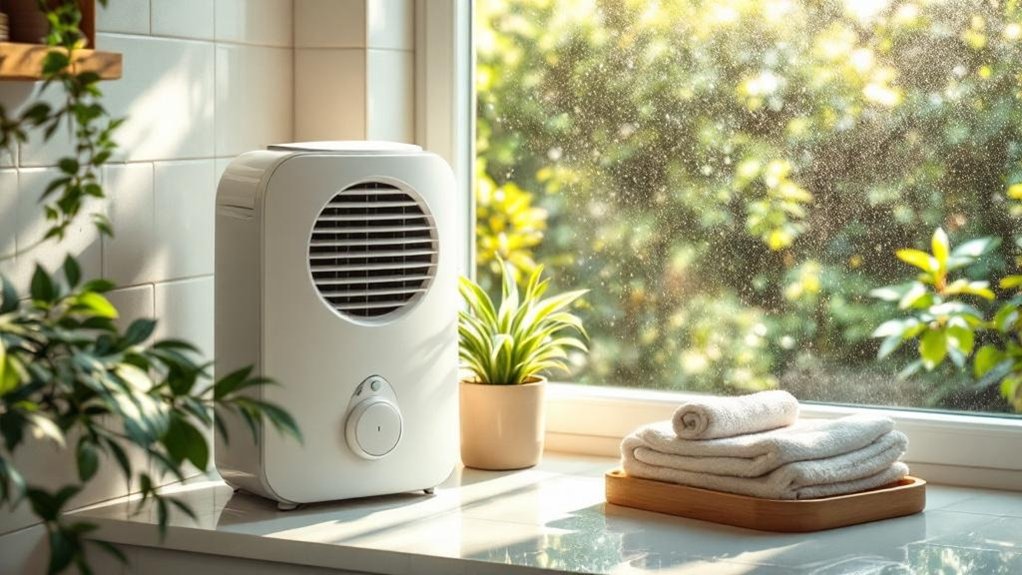
While topical treatments address tinea versicolor directly, environmental modifications play an equally important role in preventing Malassezia overgrowth and reducing recurrence rates. We recommend extensive moisture management strategies that target both indoor and outdoor environments where fungal proliferation occurs.
For indoor ventilation, we’ll maintain humidity levels below Malassevia-promoting thresholds through strategic air conditioning use and exhaust fan installation in moisture-prone areas like bathrooms. Proper ventilation prevents stagnant humid air accumulation that creates ideal fungal growth conditions.
Outdoors, we’ll limit prolonged heat and humidity exposure by scheduling activities during cooler periods. We’ll wear loose-fitting, moisture-wicking fabrics rather than synthetic materials that trap moisture against skin surfaces. These environmental controls, combined with immediate post-activity showering and thorough skin drying, greatly reduce recurrence likelihood. For suspected cases with atypical presentations, KOH preparation can confirm the diagnosis when clinical appearance alone may be misleading.
Breaking the Cycle of Seasonal Recurrence in Tropical Settings
In tropical environments where tinea versicolor prevalence reaches 50% compared to just 1.1% in temperate climates, we’ll implement targeted prophylactic protocols that address the unique challenges of year-round warm, humid conditions. Monthly antifungal applications reduce recurrence rates by 70-80%, requiring prescription medications once or twice monthly during peak humidity seasons. We’ll recognize that genetic factors contribute to persistent seasonal recurrences, particularly affecting adolescents and young adults with increased sebaceous activity.
Essential lifestyle modifications include wearing breathable fabrics to reduce moisture retention by 40-60%, showering within 30 minutes post-activity, and applying medicated cleansers during warm seasons. Pre-tanning season prophylaxis prevents summer flare-ups when hypopigmented lesions become more visible. Year-round maintenance with selenium sulfide applications and regular skin exfoliation disrupts Malassezia colonization cycles effectively. Patients should understand that pigmentary changes may persist for weeks or months even after successful antifungal treatment.
Combination Approaches for Persistent Cases in High-Humidity Regions
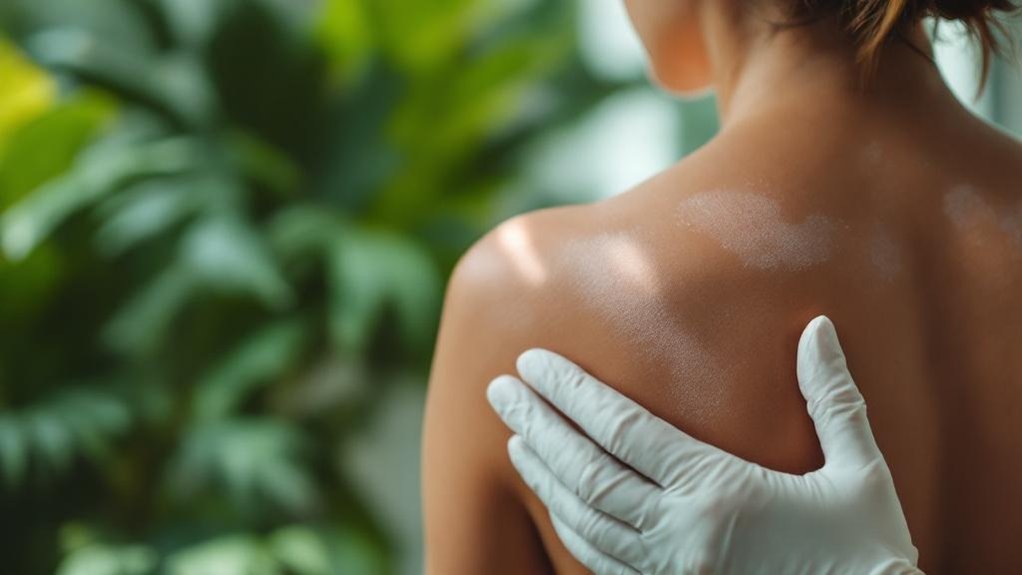
When traditional monotherapy fails in persistent tinea versicolor cases within high-humidity environments, we’ll implement multimodal treatment strategies that target Malassezia overgrowth through complementary mechanisms. Our combination therapies integrate ciclopirox olamine topical treatment with oral antifungals, demonstrating enhanced efficacy for persistent infections. We’ll pair selenium sulfide 2.5% applications alongside ketoconazole cream to target different fungal pathways simultaneously. For chronic cases, we implement topical terbinafine spray combined with periodic oral antifungal pulses, which notably reduces recurrence rates in humid climates. Additionally, we incorporate zinc pyrithione shampoos with selenium sulfide protocols for dual-action treatment. The hypopigmented lesions commonly observed result from melanocyte damage caused by the fungal infection, which may persist even after successful mycological cure. These evidence-based maintenance combinations reduce recurrence rates by 40-60% in high-humidity regions, providing our patients thorough control over stubborn infections.
When to Seek Professional Medical Guidance for Treatment-Resistant Infections
Although tinea versicolor responds well to standard antifungal protocols in most patients, we’ll recommend professional dermatological evaluation when specific resistance thresholds indicate treatment failure. When you’ve experienced four or more relapsing episodes annually, or when lesions persist after six weeks of systemic antifungal therapy, specialist intervention becomes essential. We’ve documented relapse rates reaching 80% following initial treatment, with cure rates dropping to 70.8% for terbinafine and 61.9% for ketoconazole in resistant cases.
Diagnostic challenges arise when potassium hydroxide preparations reveal persistent fungal organisms despite treatment, requiring culture identification of unusual strains. Treatment adherence issues affect 11% of patients, necessitating professional assessment to differentiate between compliance problems and true antifungal resistance patterns requiring specialized therapeutic protocols. Mycological examination may identify unexpected pathogens such as Aspergillus niger rather than typical Malassezia species, fundamentally altering treatment approach.
Frequently Asked Questions
Can Tinea Versicolor Spread to Other People Through Skin Contact?
No, tinea versicolor doesn’t spread through skin contact transmission methods. We’ve established this condition results from your body’s natural Malassezia yeast overgrowth, not external transmission between individuals.
How Long After Treatment Will My Skin Color Return to Normal?
We expect your skin pigmentation to normalize within 2-4 months following successful treatment duration, though complete color restoration may extend 6-12 months as melanocytes resume normal function through cellular turnover cycles.
Is Tinea Versicolor More Common in Certain Age Groups or Ethnicities?
Yes, we observe significant age prevalence patterns with 92% of cases occurring between ages 11-40, peaking at 21-30 years. Ethnic susceptibility shows higher burden in underrepresented racial groups versus White patients.
Can Diet or Nutrition Changes Help Prevent Tinea Versicolor Outbreaks?
Yes, we recommend specific dietary modifications to reduce Malassezia overgrowth. Anti-fungal foods, omega-3 fatty acids, and targeted dietary supplements provide immune support while limiting sugar intake helps prevent tinea versicolor recurrence in our patients.
Will Tinea Versicolor Leave Permanent Scars or Skin Damage?
No, we don’t see permanent discoloration or structural damage from tinea versicolor. Your skin healing progresses naturally over months, with pigmentation returning to baseline without intervention or scarring complications.
Conclusion
We’ve demonstrated that successful tinea versicolor management in humid microclimates requires multifaceted intervention targeting both Malassezia proliferation and environmental moisture control. Through implementing targeted antifungal protocols, optimizing humidity regulation, and establishing prophylactic maintenance regimens, we can effectively interrupt the pathogenic cycle. Our clinical experience confirms that combination therapeutic approaches yield superior outcomes compared to monotherapy in high-humidity environments. Early intervention and sustained environmental modification remain critical for preventing recurrent episodes and achieving long-term remission.