When treating skin cancer, we must weigh surgery vs. non-surgical alternatives. Mohs surgery offers up to 99% cure rates with excellent tissue preservation, while non-surgical treatments like photodynamic therapy show higher recurrence rates (reaching 31% at 24 months). Recovery from surgical procedures typically spans 2-4 weeks with mild pain. Treatment selection depends on tumor location,… read more

While non-surgical skin cancer treatments have lower initial costs (averaging $401 for basal cell carcinomas versus $4,379 for complex surgeries), they often become more expensive long-term. Higher recurrence rates can lead to additional expenses reaching $31,870 within a year. Insurance typically provides better coverage for surgical options, with non-surgical treatments facing stricter authorization requirements. Geographic… read more
Both brachytherapy vs. superficial radiation therapy (SRT) offer excellent non-surgical options for non-melanoma skin cancer, with cure rates exceeding 90%. Brachytherapy excels for facial tumors with superior cosmetic outcomes, while SRT works well for superficial lesions. Your choice depends on tumor location, size, depth, and insurance coverage. Treatments typically take 5-10 minutes over 1-2 weeks… read more
Superficial Radiation Therapy (SRT) offers a non-invasive alternative to surgery for non-melanoma skin cancers. We deliver low-energy X-rays (50-150 kVp) that target cancerous cells in upper skin layers with minimal damage to healthy tissue. SRT achieves cure rates exceeding 95% without incisions, anesthesia, or visible scarring. It’s ideal for facial cancers, elderly patients, and those… read more
Brachytherapy delivers targeted radiation directly to skin cancer cells while sparing healthy tissue. It works by creating DNA damage in cancer cells through precise energy delivery, with success rates exceeding 95% for basal and squamous cell carcinomas. It’s ideal for patients with small, localized tumors (≤2 cm, <5mm thickness), especially in cosmetically sensitive areas or… read more
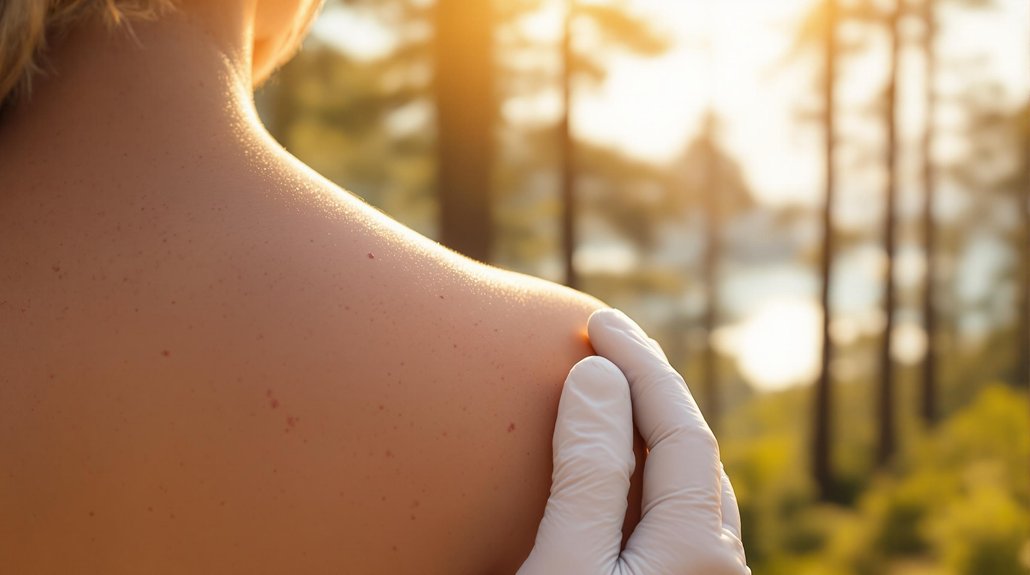
Regular skin cancer screenings are especially critical in Northern California, where intense UV exposure, higher elevations, and demographic factors create elevated risk profiles. With over 9,500 daily skin cancer diagnoses nationwide, early detection through annual examinations can boost survival rates to 99% for melanoma. We’ve identified significant geographic clusters in counties like Sonoma, Napa, and… read more
Despite Northern California’s foggy climate, we often experience paradoxical skin dryness due to complex interactions between atmospheric humidity and transepidermal water loss. We recommend applying hyaluronic acid serums followed by ceramide-rich moisturizers to establish effective barrier function. Gentle exfoliation enhances product absorption, while broad-spectrum SPF remains essential regardless of fog density. Indoor heating creates microenvironments… read more
Northern California’s coastal climate creates unique skin challenges. Our fog-layer traps pollutants and salt particles causing inflammation while creating an oil-dehydration paradox. We experience hidden UV damage from diffuse light, compromised moisture retention despite humidity, and disrupted barrier function from frequent temperature fluctuations. Seasonal changes require adaptive skincare strategies, while environmental stressors like wildfire smoke… read more
Northern California’s diverse microclimates demand specialized sun protection. For coastal areas, we recommend mineral-based, water-resistant sunscreens like Sun Bum and Raw Elements with minimum SPF 30. Inland regions with higher UV exposure require broad-spectrum protection such as Badger or Thinksport with SPF 30+. Year-round application is essential, even on cloudy days when 80% of UV… read more

To manage eczema in California’s dry climate, we’ll need to focus on protecting our skin barrier through consistent moisturizing and environmental control. We should apply ceramide-rich moisturizers to damp skin twice daily, maintain indoor humidity levels between 30-50%, and use HEPA filters to reduce allergen exposure. Wearing breathable fabrics and staying hydrated are essential, while… read more
Chemical peels offer Central Californians powerful solutions for combating our region’s challenging climate effects on skin health. We’re seeing remarkable improvements in sun damage, premature aging, and dry climate-induced concerns through customized peel treatments that promote cell turnover and collagen production. Our medical-grade procedures, ranging from gentle to intensive strengths, can address multiple skin layers… read more
We’re seeing a revolutionary shift in Northern California’s dermatology landscape, where holistic practices blend traditional medicine with natural healing approaches. By integrating mind-body techniques, farm-to-face products, and personalized treatment plans, practitioners address both skin conditions and their root causes. Our region’s leading centers emphasize nutrition, lifestyle factors, and botanical remedies alongside conventional treatments. Understanding this… read more